

Views: 0 Author: Site Editor Publish Time: 2025-12-17 Origin: Site
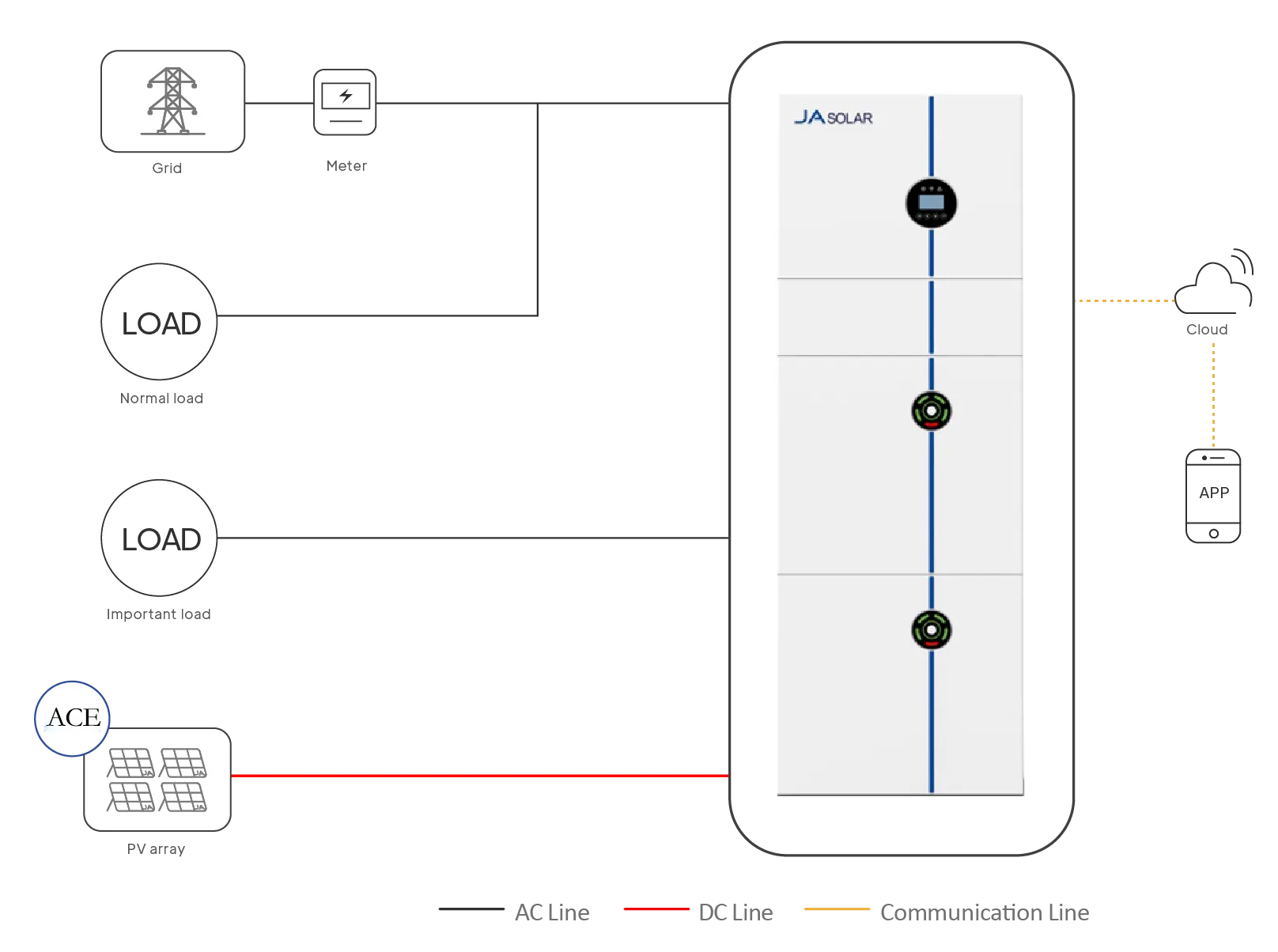
Investing in a home battery storage system (BESS) is a significant decision for any homeowner seeking energy independence, backup power, or to maximize their solar investment. A critical question at the heart of this decision is: How long will it last? Unlike solar panels, which can reliably produce power for 25-30 years, batteries have a shorter, more variable lifespan. Understanding what drives battery longevity is key to making a smart purchase and protecting your investment.
This guide will delve into the factors that determine the lifespan of a home battery, explain the difference between warranty and useful life, and provide practical tips to ensure your system performs optimally for as long as possible.
When evaluating a battery's lifespan, it's crucial to distinguish between two terms:
Warrantied Life: This is the period guaranteed by the manufacturer, often tied to a specific capacity retention (e.g., 70% of original capacity) or a number of years (whichever comes first). For modern lithium-ion home batteries, this typically ranges from 10 to 15 years.
Useful Life: This refers to the point where the battery's performance has degraded to a level where it may no longer effectively meet your needs. A common industry benchmark is when a battery can only hold 60% of its original capacity. It may still function, but with significantly reduced storage and output.
Most quality lithium-ion batteries designed for daily cycling in a home setting are expected to have a useful life of at least a decade, but this is highly dependent on several factors.
1. Battery Chemistry: The Foundation of LongevityThe type of battery you choose has the single greatest impact on its lifespan.
Lithium Iron Phosphate (LiFePO4/LFP): Widely regarded as the longest-lasting and most stable option for home storage. LiFePO4 batteries are known for their thermal stability, safety, and long cycle life, often exceeding 10-15 years or more. They are becoming the standard for new residential energy storage systems.
Lithium Nickel Manganese Cobalt (NMC): Another common lithium-ion chemistry offering a good balance of energy density and lifespan, typically around 10 years with proper care.
Lead-Acid: While cheaper upfront, traditional flooded or sealed lead-acid batteries have a much shorter lifespan, typically 3 to 7 years. They also require more maintenance and have a lower Depth of Discharge (DoD), making them less suitable for daily, deep-cycle home use.
2. Cycle Life and Depth of Discharge (DoD): The Usage EquationA battery's lifespan is often measured in cycles. One cycle is a full discharge from 100% to 0% and back to 100% charge. However, partial cycles are more common and less stressful.
Depth of Discharge (DoD): This indicates how much of the battery's total capacity you regularly use before recharging. Shallower discharges (e.g., using only 20-30% of capacity) can significantly extend the total number of cycles a battery can complete. Most manufacturers specify an optimal DoD (e.g., 80% or 90%) for their products. Consistently draining a battery to its maximum DoD will shorten its life.
Real-World Impact: A battery rated for 5,000 cycles with a 90% DoD will last far longer if you typically only use 50% of its capacity per cycle.
3. Temperature and Environment: The Silent DegraderExtreme temperatures are a major enemy of battery health.
Heat: High temperatures accelerate the internal chemical reactions, increasing the rate of wear and tear and causing the battery to complete its cycle life more quickly. It can also lead to electrolyte breakdown.
Cold: While extremely low temperatures may temporarily reduce performance and capacity, they are generally less damaging to long-term lifespan than heat, though they can cause faster draining. For optimal longevity, batteries should be installed in a cool, dry, and well-ventilated location, such as a garage or a dedicated, temperature-controlled enclosure.
4. Maintenance and Monitoring: Proactive CareUnlike solar panels, batteries require some attention. Thankfully, modern lithium-ion systems are largely maintenance-free but benefit from monitoring.
Regular Checks: Perform visual inspections for any signs of damage, bulging, or leaks (more relevant for lead-acid).
State of Charge Monitoring: Use the system's built-in monitoring app or display to track performance. A sudden drop in capacity or efficiency can be an early warning sign.
Software Updates: Ensure your battery's management system firmware is up-to-date for optimal performance and safety algorithms.
The short answer is: Solar panels will almost certainly outlast your first battery. High-quality solar panels come with performance warranties of 25-30 years. Therefore, if you install a solar-plus-storage system, you should plan for at least one, possibly two, battery replacements over the lifetime of the panels. This makes choosing a battery with a long, strong warranty and a reputation for durability even more important for your long-term economics.
Follow Manufacturer Guidelines: Adhere to the recommended DoD, temperature ranges, and charging parameters.
Avoid Extreme Temperatures: Prioritize a cool installation location. Consider climate-controlled spaces in very hot or cold regions.
Implement Smart Charging: Use your system's software to avoid keeping the battery at 100% charge for extended periods (a practice known as float or trickle charging, which can cause capacity loss over time).
Choose the Right Chemistry: For a long-lasting, set-and-forget home system, LiFePO4 (LFP) batteries are increasingly the preferred choice due to their proven cycle life and stability.
Invest in Quality and Warranty: A robust warranty from a reputable manufacturer is your best insurance policy. It reflects their confidence in the product's longevity.
A modern home battery storage system is a durable appliance designed to provide over a decade of reliable service. By understanding the core factors—chemistry, usage patterns (cycles/DoD), and environment—you can make an informed choice and take steps to maximize its life. While it won't last as long as your solar panels, selecting a high-quality lithium iron phosphate (LiFePO4) system and following best practices will ensure you get the most value and energy security from your investment for years to come.
As you plan your home's energy storage solution, remember that longevity is just one piece of the puzzle. Our guide on how to choose the best battery for your solar power system can help you balance lifespan with capacity, power, and cost.
"Understanding the differences between chemistries is key. Compare LiFePO4 vs lithium-ion in our detailed guide."
"Proper installation is critical. Learn more about how to store lithium batteries safely in our safety guide."
"A complete home energy storage system includes more than just the battery. Learn about inverters and system design here."


